DFCD deal flow accelerating midway through the project
Deze pagina is in het Engels. Wil je meer informatie? Neem dan contact op!
With its Origination Facility, the fund’s deal engine, in full flow, the Dutch Fund for Climate and Development (DFCD) is now setting its sights on extending its mandate to finance as many promising climate-adaptation projects as possible.
Just over halfway through the DFCD’s five-year investment period - extended by one year due to Covid-19 - the fund’s pipeline is filled to the brim. The world map of projects is already showing 20 contracted deals*.
*The World Map shows the investments of the Land and Water Facilities as well as the large development grants (between €100K and €350K) of the Origination Facility.
DFCD in numbers
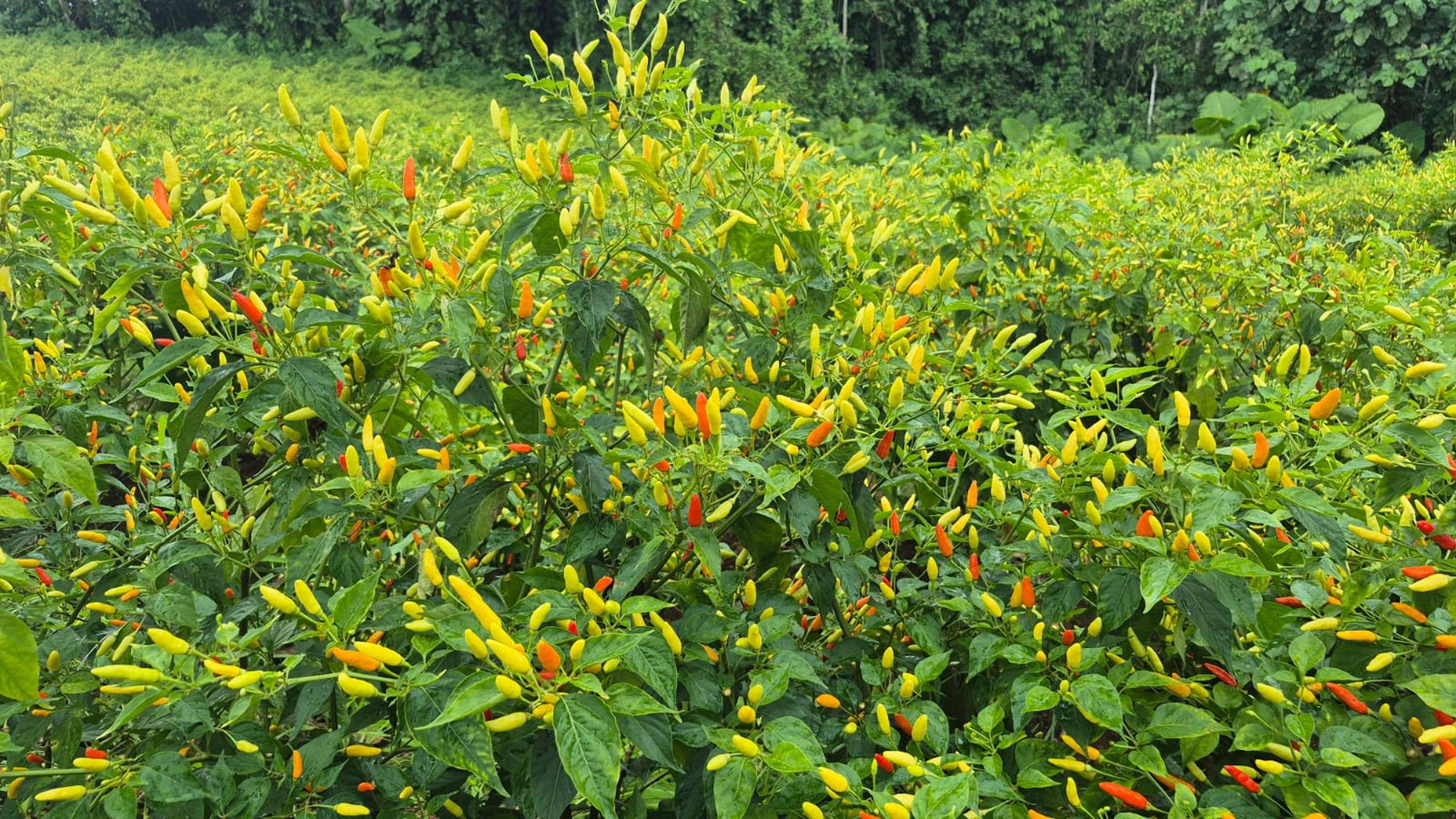
So far (as per 4 October 2021), the Fund’s €30 million Origination Facility, managed by SNV Netherlands Development Organisation and the World Wildlife Fund Netherlands, granted almost €6.7 million cumulatively in subsidies and technical assistance to 34 projects.
Most of the funding, €4.9 million, was grants to support projects in the costs of developing a full business and investment proposal. For example, it helps to cover the costs for applying for certain licenses, setting a pilot study or hiring a consultant to design an impact measurement framework.
Capital investment
The €55 million Land Use Facility managed by FMO, the Dutch development bank, made investment commitments worth €20.6 million to four projects, while the €75 million Water Facility, managed by Climate Fund Managers, committed €14 million in development capital to 7 projects.
Once the projects in the pipeline are investment ready their capital expenditures are forecast to total around €244 million made up of €99 million in debt issued by the DFCD, €36 million from other debt providers and €109 million in equity. This would mean that one million euro in technical assistance and grant funding mobilises 36.4 million in private-sector investment if all projects would realise the anticipated follow-up funding.
“For a new partnership pioneering in a young market this is something to be proud of,” says Aart Mulder, DFCD Fund Manager. “Two years ago, we started with only our bid book and four partners – two investors and two NGOs. We now have a fully operational organisation with its own teams, committees and processes.”
“We set a very high ambition for an NGO that is relatively new to developing investment propositions, but we are in a unique position to create bankable nature solutions,” says Aaron Vermeulen, director of WWF’s Green Finance unit. “We understand how to invest in vulnerable landscapes, have deep knowledge of impact, a global presence and a large network.”
“We felt the pressure to quickly generate a pipeline of deals, but we held on to our belief that we had to focus on the landscapes first, mapping the risks, the required climate solutions and the kind of investments needed. After a slow start, our pipeline is now accelerating.”
Trailblazer for investing in private-sector climate-adaptation projects
There has been a lot of focus globally on reducing greenhouse gas emissions. Much less so on investing in climate adaptation, while more and more frequent extreme flooding, wildfires and droughts across the globe are showing that such investments are of the highest priority.
Urgent need to invest in climate adaptation
Research by the Global Commission on Adaptation even estimates that investing $1.8 trillion in climate adaptation over the next decade will save $7.1 trillion by 2030. In other words, failing to seize the economic benefits of climate adaptation would undermine trillions of dollars in potential growth and prosperity. So far, governments and private markets have failed to act on this opportunity.
The reason that private investments in climate adaptation are lagging is not only that there is not enough money: there are also not enough investable adaptation projects. The projects that do exist yield returns which are too low, and these projects are generally too risky for commercial investors, especially in developing countries that feel the impact of climate change the most.
The DFCD contributes to closing this gap by developing new adaptation projects and mobilises private money to finance them by providing technical assistance and development grants for de-risking the investments from a financial and impact perspective regarding Climate Change and Sustainable Development.
The limited investments in climate adaptation worldwide are mostly done by governments. The DFCD is focusing on leveraging private-sector investment in improving climate resilience of the most vulnerable people and ecosystems.
“We’re a trailblazer,” says Mulder. “This is a new field. There is not yet a common language. We are still learning how companies can invest in climate adaptation.” “But the market appetite for climate-adaptation projects is high,” adds Albert Bokkesteijn, DFCD Project Manager at SNV.
The DFCD has shown so far that the fund is well-placed to be a rainmaker for climate adaptation finance. The fund’s partnership, finance structure, dedicated Origination Facility to develop early-stage projects, and landscape approach make the DFCD uniquely positioned to finance sought-after but scarce climate-adaptation projects in developing markets.
With SNV and WWF, the consortium has local eyes, ears, and expertise across the world. Next to their long-standing project development expertise, deep knowledge of landscapes and impact assessment, both NGOs have offices in many local markets and a vast global network. FMO and CFM are experienced investors in development and infrastructure finance and have a strong track record in mobilising capital from public and private investors.
The DFCD is a so-called blended finance fund. It uses the €160 million it manages on behalf of the Dutch government as risk capital to lower the risk for more commercial investors. This form of risk mitigation makes it easier for private investors to invest. The DFCD aims to mobilise €500 million to €1 billion euros in private investments.
This EUR30 million facility managed by SNV and WWF identifies and develops bankable business cases for a possible investment by the Land Use or Water Facility. This approach is essential to the DFCD because there are many project ideas, but not yet that many climate-adaptation projects that are investment ready. The risks for investors are still too high in that early stage.
WWF and SNV have the knowledge and skills to scout, select and support these innovative projects. With support from the Origination Facility, these projects can receive a grant and technical assistance to take the necessary steps to become bankable. That can be a feasibility study, a pilot to prove their concept or assistance to fully develop their business model. This approach allows projects to graduate from ideas to full implementation, using full lifecycle financing.
Rather than focusing primarily on countries, the DFCD focuses an important portion of its investments on ten vulnerable landscapes, such as the Mekong Delta in Vietnam, the Ganges delta in Bangladesh, the Kafue Plain in Zambia, the Virunga Mountains in Uganda, the landscape of Southern Kenya and Northern Tanzania (also known as SOKNOT), or the Pantanal wetlands in Paraguay.
In some of these landscapes, WWF and SNV have been working for a long time with all the different stakeholders to achieve sustainable livelihoods and businesses, while preserving these important ecosystems to mankind.
For example, when it comes to water management, an irrigation project upstream of a river can have adverse impacts on other businesses further downstream, and if farmers can irrigate their land, an adverse effect could be if they then start expanding their farmland. The DFCD works with all stakeholders, including the government, to develop an integral landscape approach for their region.
Partnership that bridges the valley of death
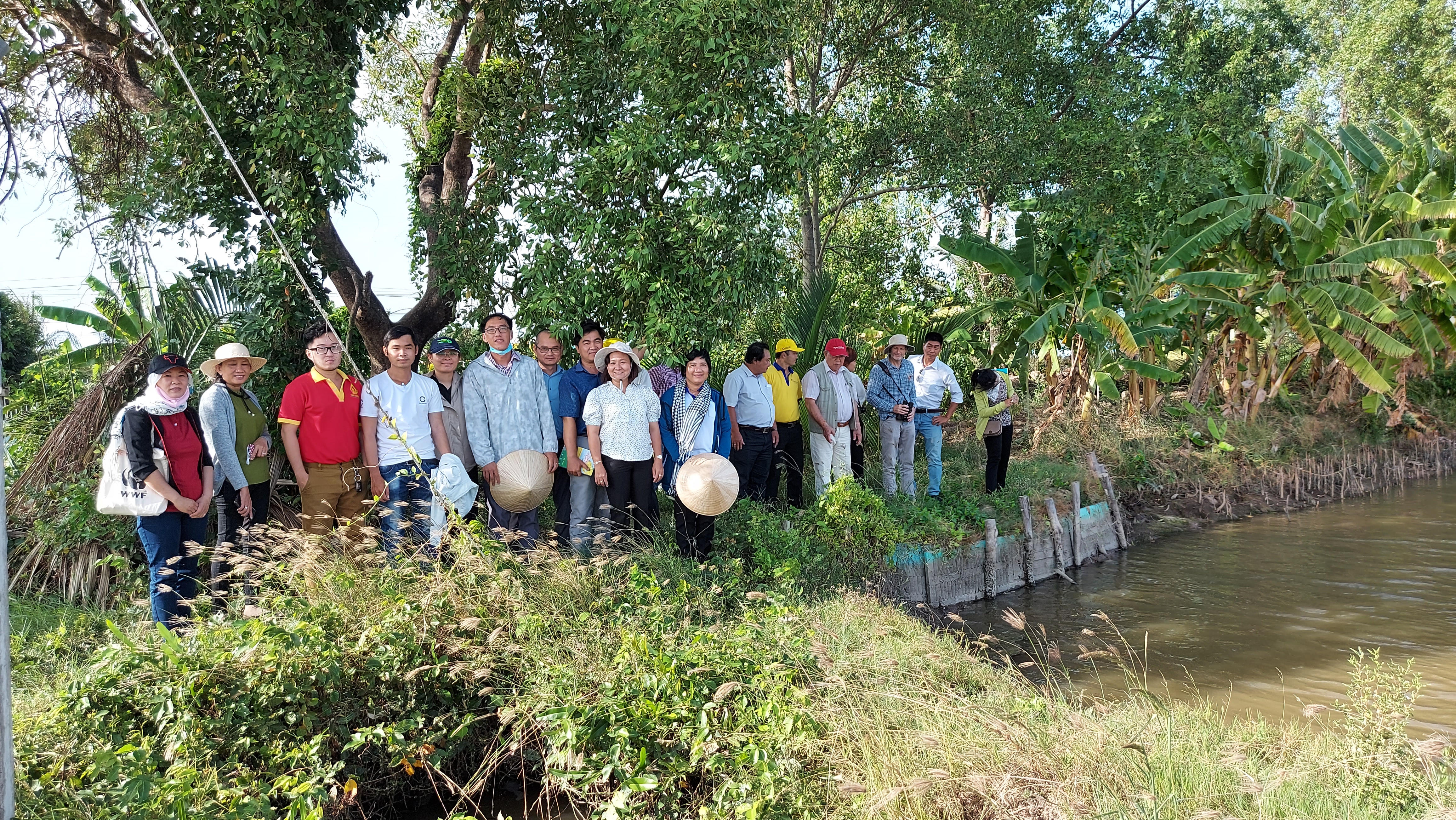
The DFCD’s novel partnership has created a structural collaboration between investors and NGOs that can support companies in the different stages of their development. From originating a project until the actual investment.
In the countries where people and nature are most vulnerable to climate change, there are few companies that have the size a development bank would naturally finance. “FMO and CFM normally do business with large companies, financing large transactions,” Mulder says. FMO’s minimum transaction size is normally €10 million.
“But that whole segment of sizable companies is missing in those markets,” the fund manager notes. With the Origination Facility, managed by SNV and WWF, the DFCD supports projects at an early stage with development grants and technical assistance to get them through the valley of death where most projects fail. This way, the fund can create more investment opportunities. “We now also realise that we can do deals with a ticket size of €5 million, which is normally too small for us,” Mulder says.
With direct and informal contacts between the investment managers of FMO and CFM, and SNV and WWF colleagues in the local offices, the DFCD can provide tailor-made finance and technical assistance.
FMO and CFM get involved in the development phase of the project at an early stage, way before they actually receive the investment proposal. “We can provide a lot of input on how to make a project bankable,” says Mulder. Similarly, WWF advised us early on about a potential water deal in Egypt, where it was better not to invest because fossil water sources were involved.”
First projects in key landscapes
The fund is starting to reap the fruits of sowing its innovative landscape approach in its focus regions, such as the Mekong Delta in Vietnam or the Kafue Flats in Zambia.
“The communities who are most vulnerable to climate change, are also often those who have the least but need the most are often the same communities,” says Alex Downs, Business and Investment Officer for the DFCD at SNV in Asia. “The DFCD’s pioneering, adaptation level, landscape approach is driving impact at scale.” It allows the DFCD to deepen its investments in a region by investing in complementary projects.
The Mekong Delta in Vietnam is sinking and shrinking
The Mekong Delta, home to 17 million people in Vietnam, is one of the world’s most productive ecosystems with two to three rice crops a year and more than 450 different species of fish.
At the same time, it is one of the regions in the world most vulnerable to water and climate disasters. Intensification of human activities and climate change across the entire river basin in six countries have altered natural water and sediment flows. In addition, land and water use within the delta are affecting its ability to cope. As a result, the delta is sinking and shrinking.
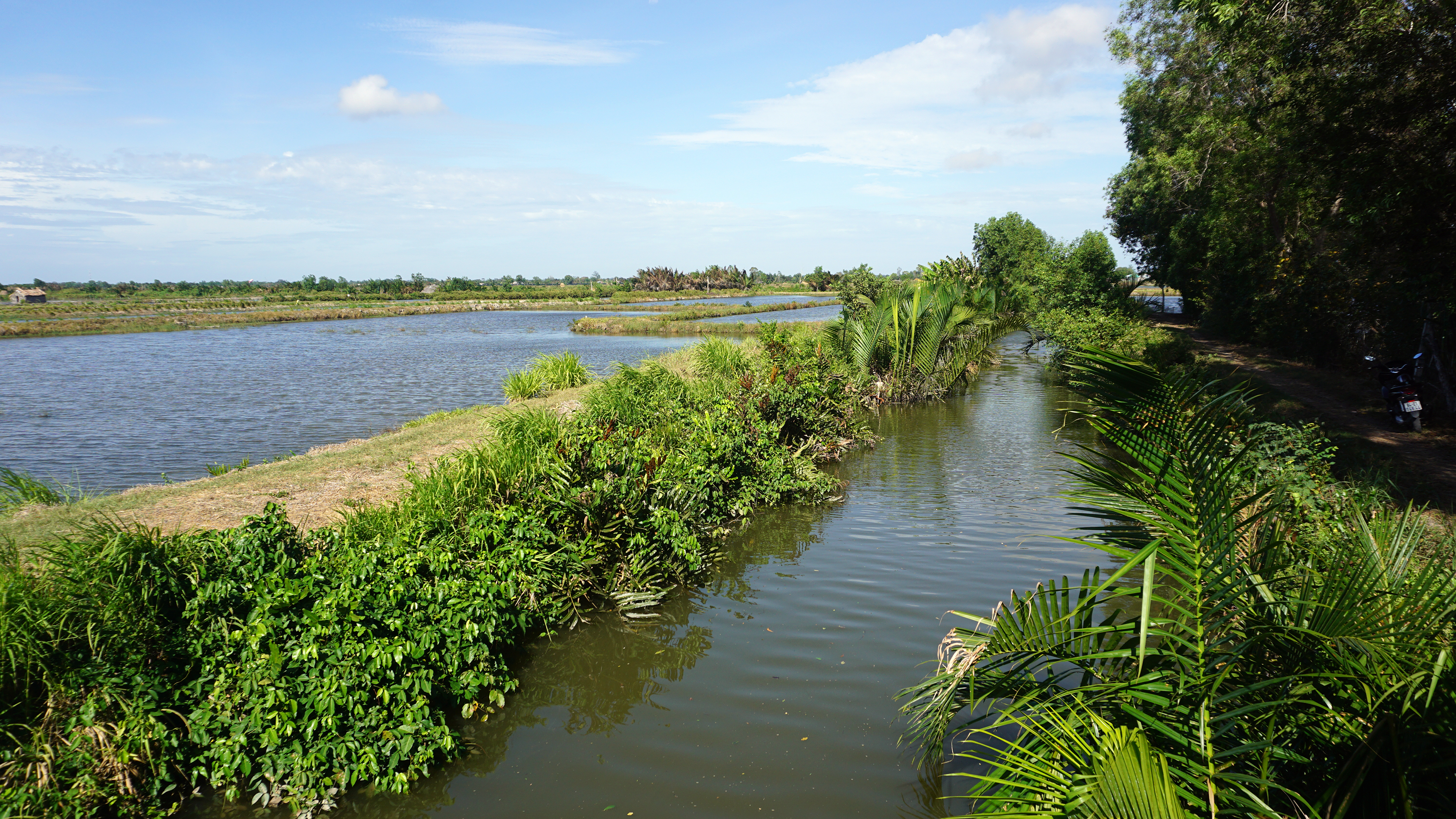
The erosion of the riverbed is aggravating saltwater intrusion - sometimes reaching up to 130 km inland - affecting soil fertility and poisoning crops. Land subsidence, aggravated by both groundwater extraction and loss of sediment deposition in the floodplains, make large areas of the delta increasingly more vulnerable to drought and floods.
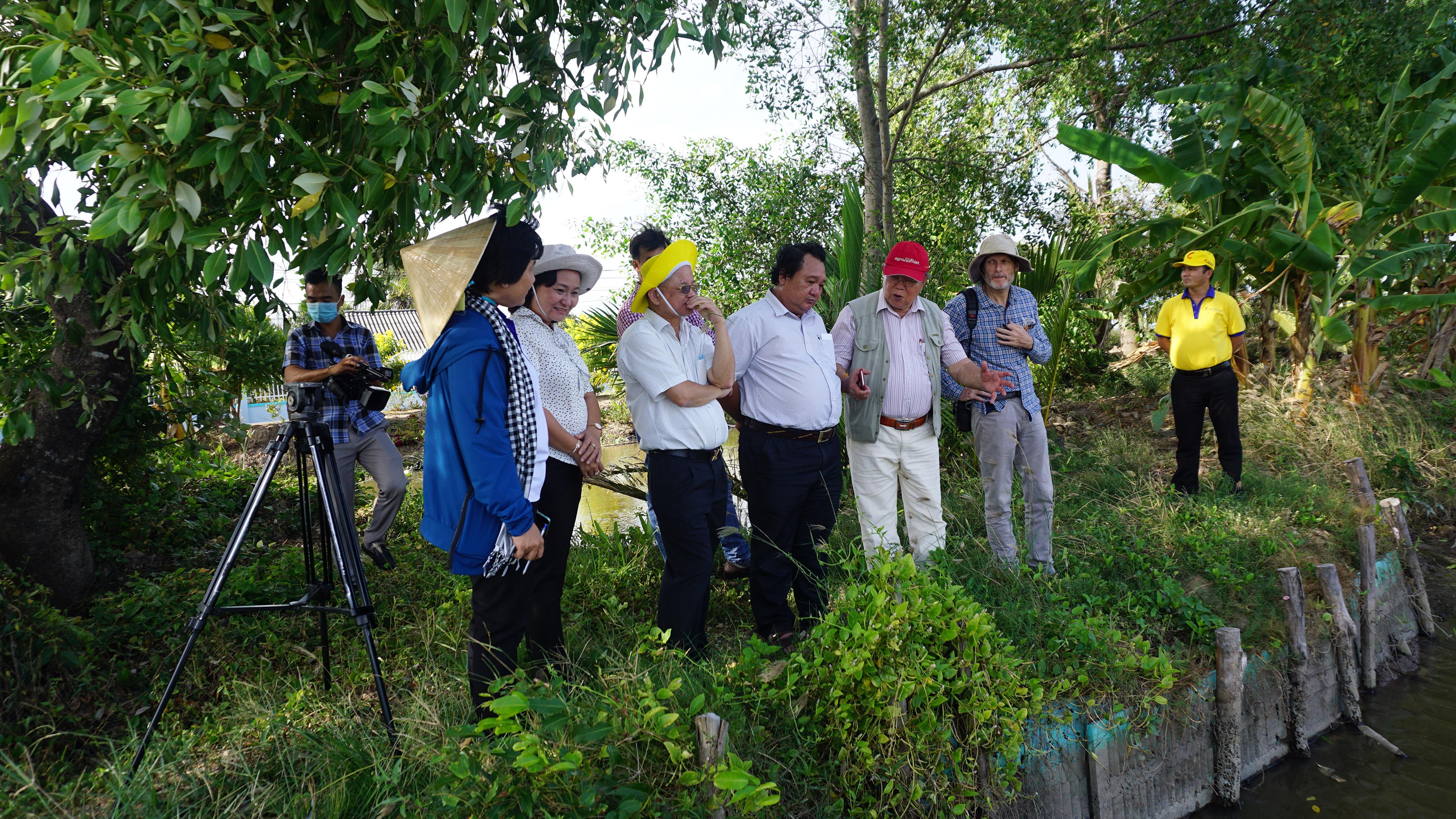
With the aim of supporting Vietnam’s response to this urgent & massive challenge, the DFCD initiated several projects through its Origination Facility to improve the climate resilience of the region in line with the Mekong Delta Agricultural Transformation plan (MD ATP), also known as Resolution 120.
WWF and the DFCD and local partners, including the government, initiated the Mekong Delta Integrated Rice and Aquaculture Project to build a more sustainable & climate-resilient food production model for people, nature and businesses; a model that addresses root causes, is innovative, financially viable and can be scaled up and replicated in other Asian river deltas.
The new integrated model to produce rice and shrimp will help to reverse the degradation of the Mekong Delta and to improve farmers’ income and resilience. 80% of the 18 million people in the Mekong Delta are involved with rice farming. Minh Phu Seafood Corporation, the country’s largest shrimp producer, leads the implementation of the newly developed farming model for rice and shrimp.
Meanwhile, as farmers’ rice yields are stagnating due to increased exposure to high temperature, water, salinity, and flooding stresses, the fund also partners through SNV with Vinaseed (Vietnam National Seeds Group JSC) to support the development of more climate-resilient rice seeds.
"The rice and shrimp project in the Vietnam Mekong Delta is a project to adapt to climate change. It helps to improve the Delta’s environment structurally and sustainably, and improves farmer's livings so that they can get rich on their own land without going to the city to work in industrial parks." Mr. Le Van Quang, CEO Minh Phu.
“The landscape approach shows that improvements are being made throughout the area, including in the administration," says Mulder. “With a public investment, a private project can be made possible via DFCD and vice versa: private investments can boost the public investment agenda in a landscape.”
He notes that the focus on landscapes also stimulates collaboration between the four DFCD consortium partners. He stresses, however, that the DFCD does not limit itself to the landscapes already identified. “If we are approached with a good climate project, we will endeavour to build a landscape approach around it, but that is still work in progress.”
An example of such a project is PT Indobamboo Lestari on the island of Flores in Indonesia, where we support the development of a production line of FSC-certified chopping-boards and glue-boards.
Kafue Flats in Zambia
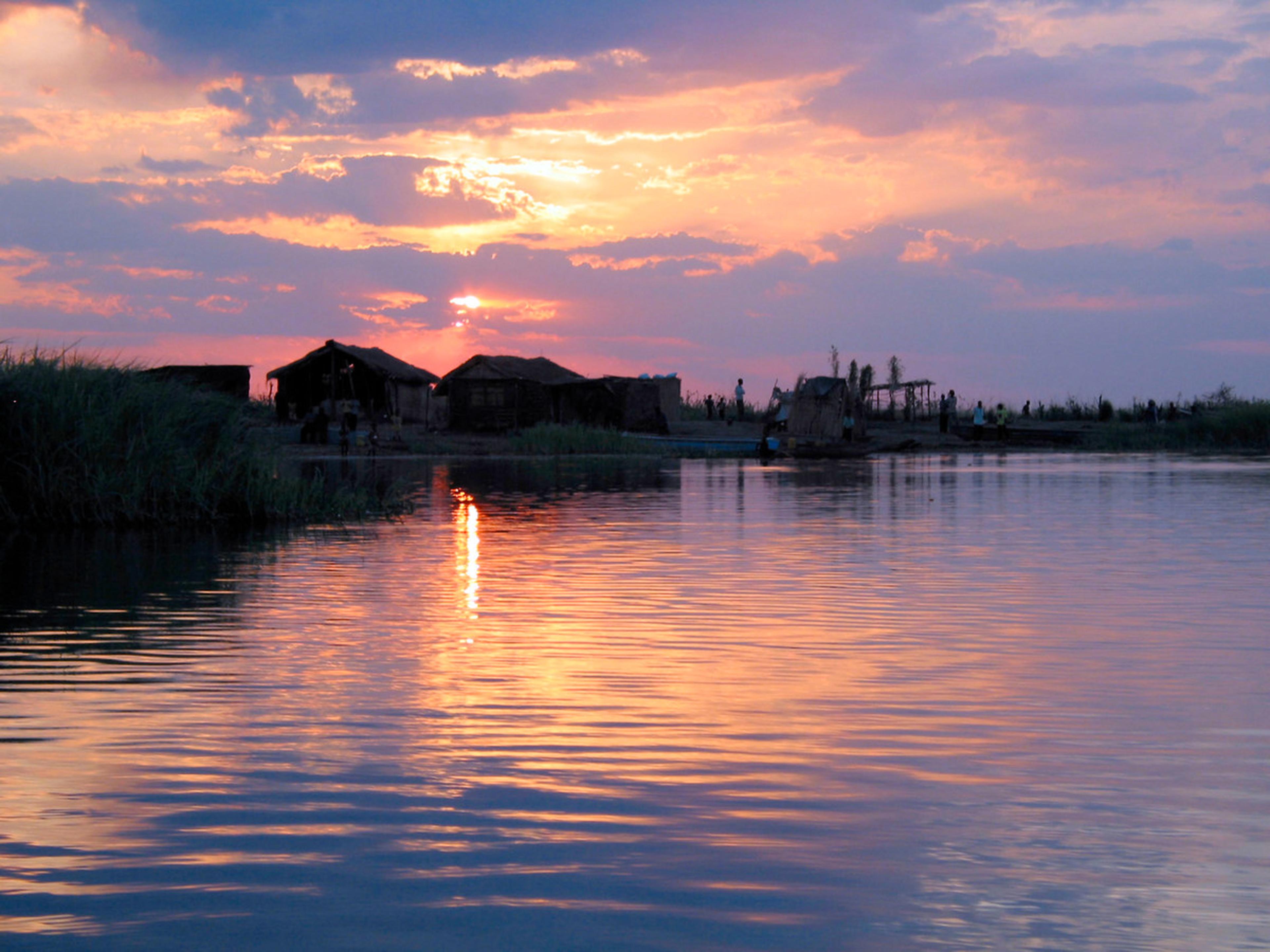
The densely-populated region is of major, industrial, ecological and socio-economic significance for Zambia. In all, the Kafue Flats wetland is estimated to directly support the livelihoods of more than 2 million people. The Kafue river also supports and sustains vital environmental systems like wetlands, national parks and bird sanctuaries. But over-abstraction of water and more severe droughts as a result of climate change are threatening this important economic region and ecosystem.
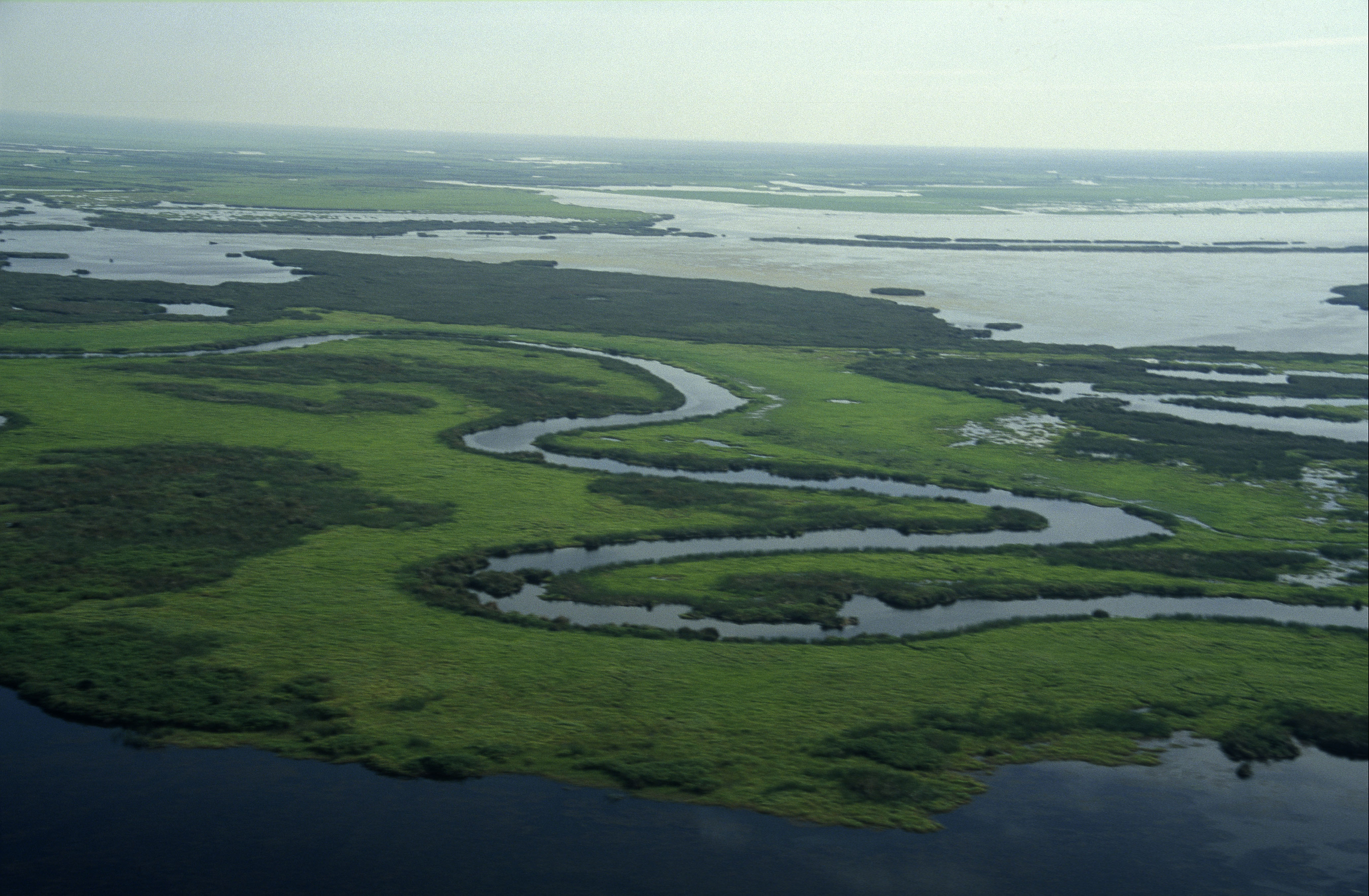
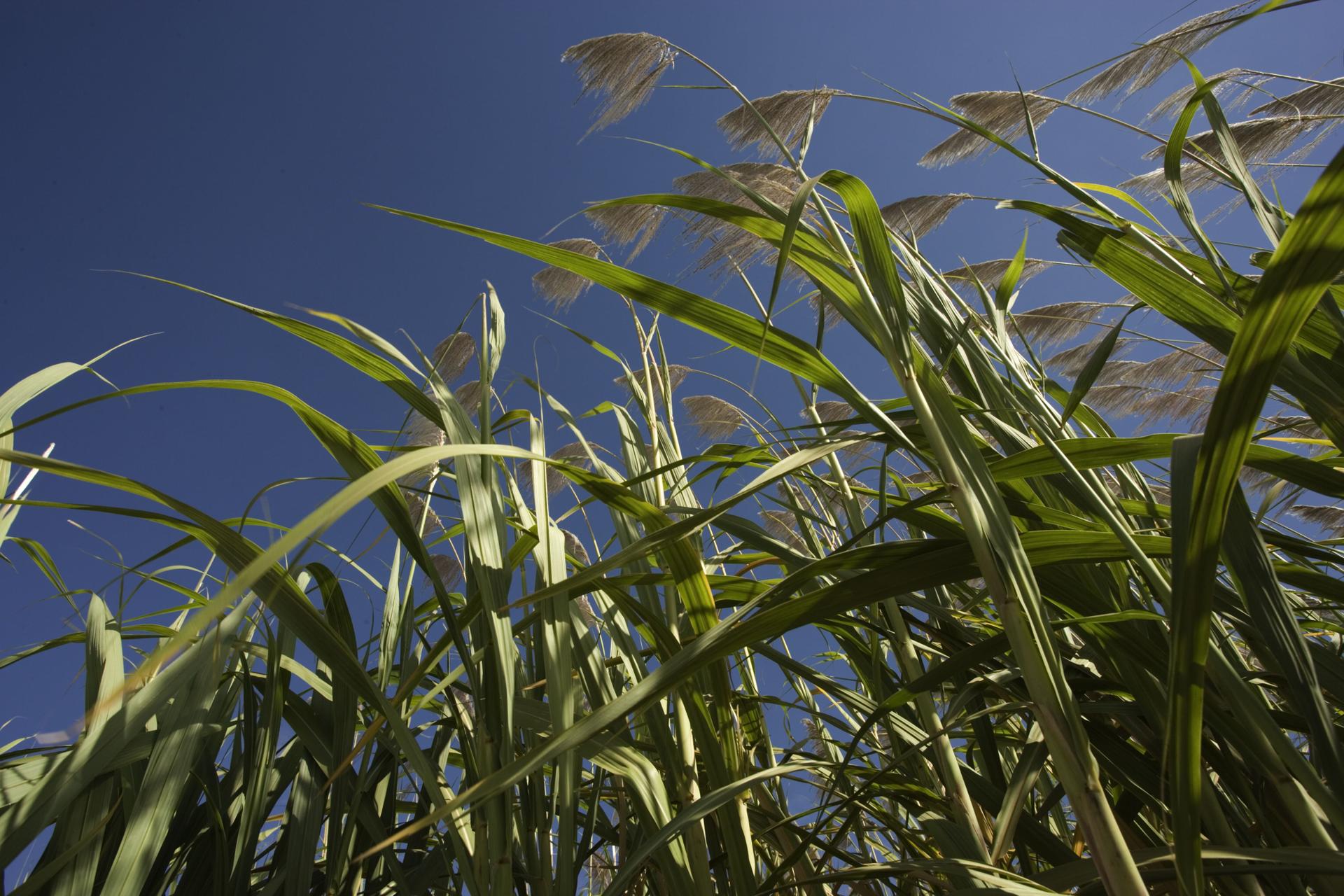
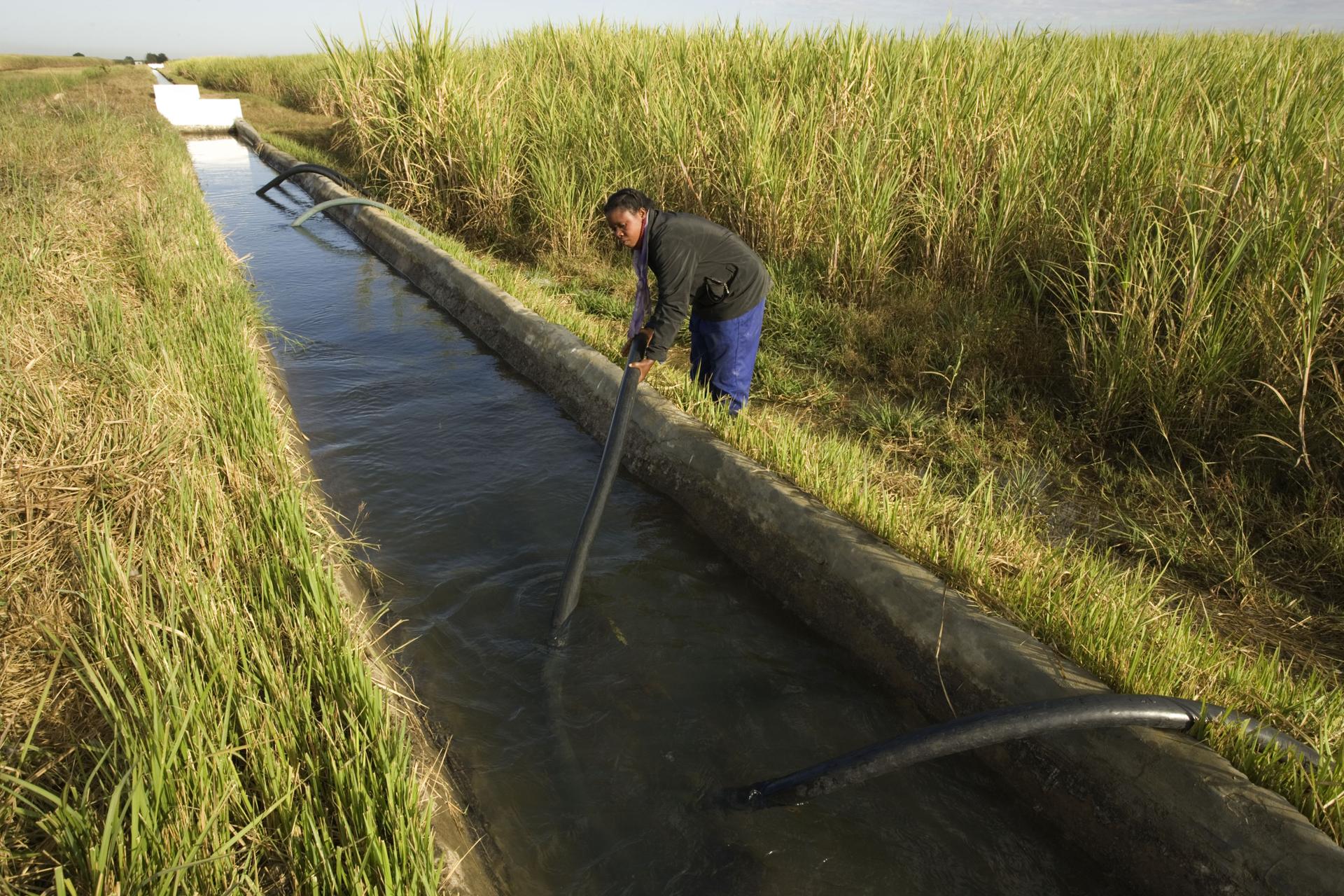
In the region, we’re supporting KASCOL, Zambia’s oldest cooperative of sugar cane growers, to conduct necessary environmental, social and technical assessments to install drip irrigation on 300 hectares of its commercial fields in the next two years. This investment requires a loan of up to €5 million.
We’re also supporting smallholder sugar cane growers to become more climate-resilient by co-funding the structuring and set-up of the Mazabuka Resilience Fund. This fund will provide local currency loans to smallholder sugar cane growers to adopt climate-smart agricultural practices including drip irrigation, solar energy, climate-resilient sugar varieties, green harvesting etc.
“Our participation in the WWF’s Kafue Flats Joint Action Group is a privilege and an opportunity for our farmers to participate in the preservation efforts of the wetlands. KASCOL is happy to partner with WWF DFCD in the environmental, social and technical assessment of our drip irrigation project proposal. This is an example of how WWF DFCD partners with business to stop the degradation of the natural environment through green bankable projects that are financially, socially and environmentally sound.” Muimui Mufana, CEO of KASCOL.
Through SNV the DFCD is currently also in the process of appraising the Musanya Honey Company Limited (MHCL) project for an investment of €3 million to finance the company's expansion. It’s planning to grow the number of families that will keep bees by 20% to 10,500 households in the region.
Honey is a high-value commodity that will give these families an extra source of income. At the same time, beekeeping plays an important role in protecting the environmentally sensitive and biologically important Miombo Woodlands endangered by charcoal production and clearing for subsistence agriculture. The beekeepers will commit to no longer cutting down trees for firewood and/or charcoal production.
“Honey producers provide a conducive environment that helps maintain diverse flowering plants and trees around their homesteads and farm boundaries designed to increase the honey production. This in turn helps to enhance watershed conservation and the adaptation to climate change.” Tigere Muzenda, DFCD Project Manager for Africa says.
Biggest learnings in project origination
As a new partnership in an emerging sector - bankable climate and nature solutions in developing countries – we have learned some valuable lessons in originating projects in the past two years.
Since there are still not that many investable climate-adaptation projects around, early-stage support for project development is key to developing the pipeline. It’s important to continue to invest in pipeline development by offering financial project development support.
An approach of scouting proactively for potential projects is important since there are still few projects that are bankable. A solid local network with sufficient business development capacity is key. WWF is also working with a third-party that is scouting for projects outside the fund’s key landscapes.
We developed landscape narratives to help deepen our joint landscape approach, which should translate into more complementary investments in our ten priority landscapes. However, we need to enhance work on how to build a the landscape approach and targeted impacts around projects outside the DFCD priority landscapes.
The Origination Facility is a learning facility working with short feedback loops. WWF and SNV have acquired targeted knowledge and experience through intensive collaboration with FMO and CFM, the investment managers.
Their involvement in the origination phase creates an early dialogue between companies and investors, which improves a project’s bankability and allows for efficiency gains in developing and approving investment proposals. The originators understand better how the investment officers of the development bank are looking at the risks and financials of a project, while they learn more about the local context and impact on the ground.
Offtake agreements help to de-risk deals and hence increase a project’s bankability. It is important to involve potential buyers into the project development from an early stage.
Developing a project into a solid investment proposal takes more time and patience than anticipated. We estimated that it takes 1 to 1.5 years for a company to develop its project to be investment-ready for one of our investment facilities. However, that is not enough time for smaller projects to reach the scale needed to be investable for one of our investment facilities. This makes it harder to take on projects in the Least Developed Countries, given the relatively smaller size of projects in these countries. See also the next lesson learned.
There are many more smaller projects and investment opportunities in the range of €1-3 million but these projects are too small for investors such as the DFCD. They have the potential to develop into larger projects, but that takes two to three years’ time.
About DFCD
The Dutch Fund for Climate and Development (DFCD) is a climate fund, dedicated to supporting climate adaptation and mitigation projects which benefit vulnerable communities and landscapes. Initially funded by the Dutch government, it is powered by a consortium of four expert organisations: FMO (Dutch Entrepreneurial Development Bank), CFM (Climate Fund Managers), SNV, a global development partner, and WWF Netherlands.