
Rabobank
Leverage finance to support more sustainable land use in vulnerable ecosystems.
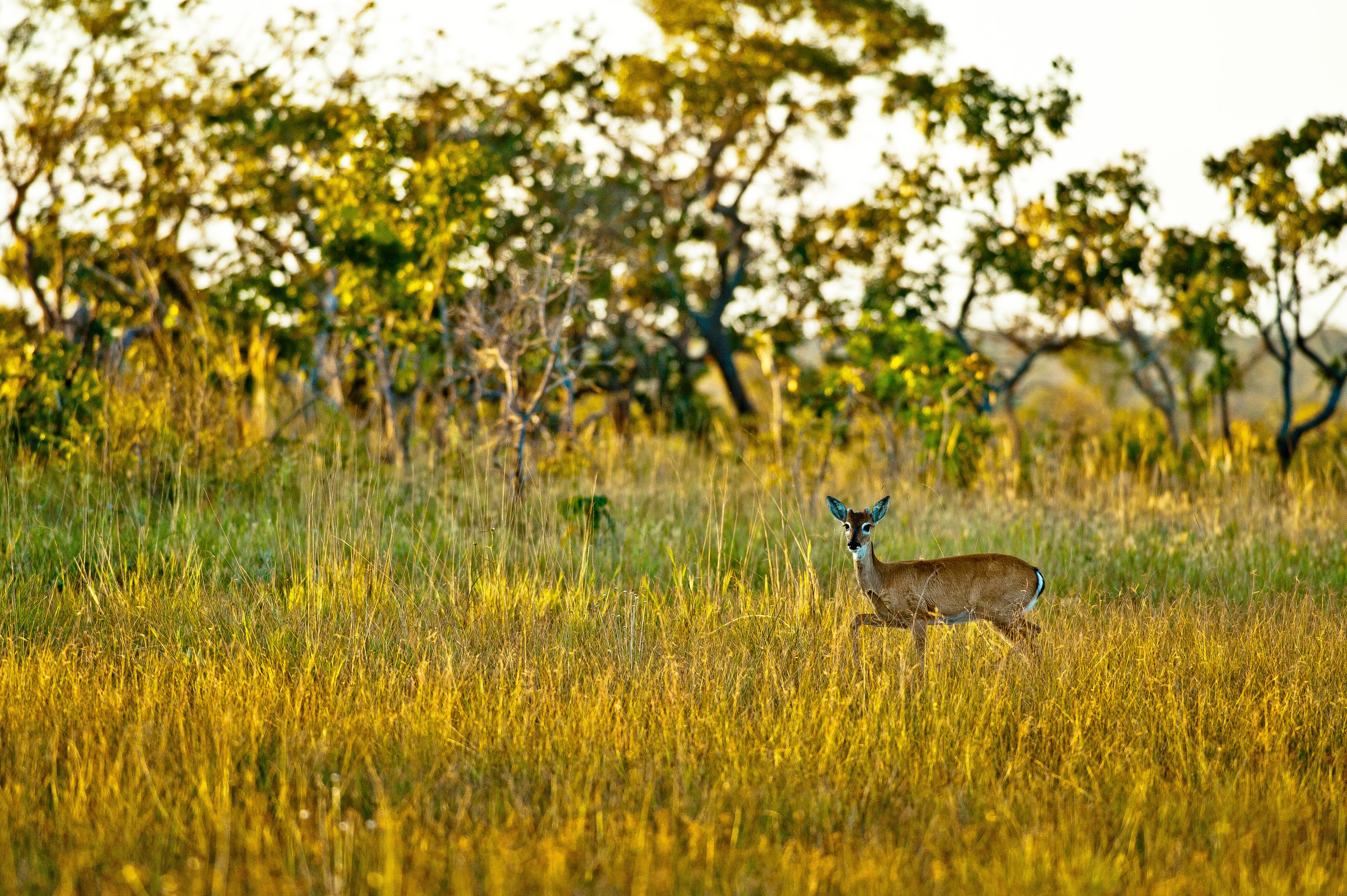 © Bento Viana / WWF Brazil
WWF and Rabobank are working together to explore how financial incentives can help address nature loss caused by deforestation and the conversion of natural habitats. In regions where pressure on nature is high, we are examining how financial instruments can support more sustainable land use. The insights generated through this work will contribute to broader discussions on the role of nature in financial decision-making.
Why we work together
Ecosystems that are essential for food production, climate resilience and the livelihoods of millions of people are under pressure around the world. In many places, current models of agricultural production still contribute to deforestation, the conversion of natural habitats and biodiversity loss. In regions such as the Amazon and the Cerrado in Brazil, these pressures are pushing valuable ecosystems closer to their ecological limits.
At the same time, agriculture remains vital for food security and economic development. The challenge is therefore not whether food is produced, but how it is produced.
The decisions made by farmers, companies and other actors in agricultural value chains are influenced in part by the way activities are financed. Financial institutions can help shape the conditions and incentives that enable more sustainable land use. In doing so, they can play a role in supporting the transition towards more sustainable land management practices. With this in mind, WWF and Rabobank are exploring how financing mechanisms can contribute to production without deforestation and the conversion of natural habitats.
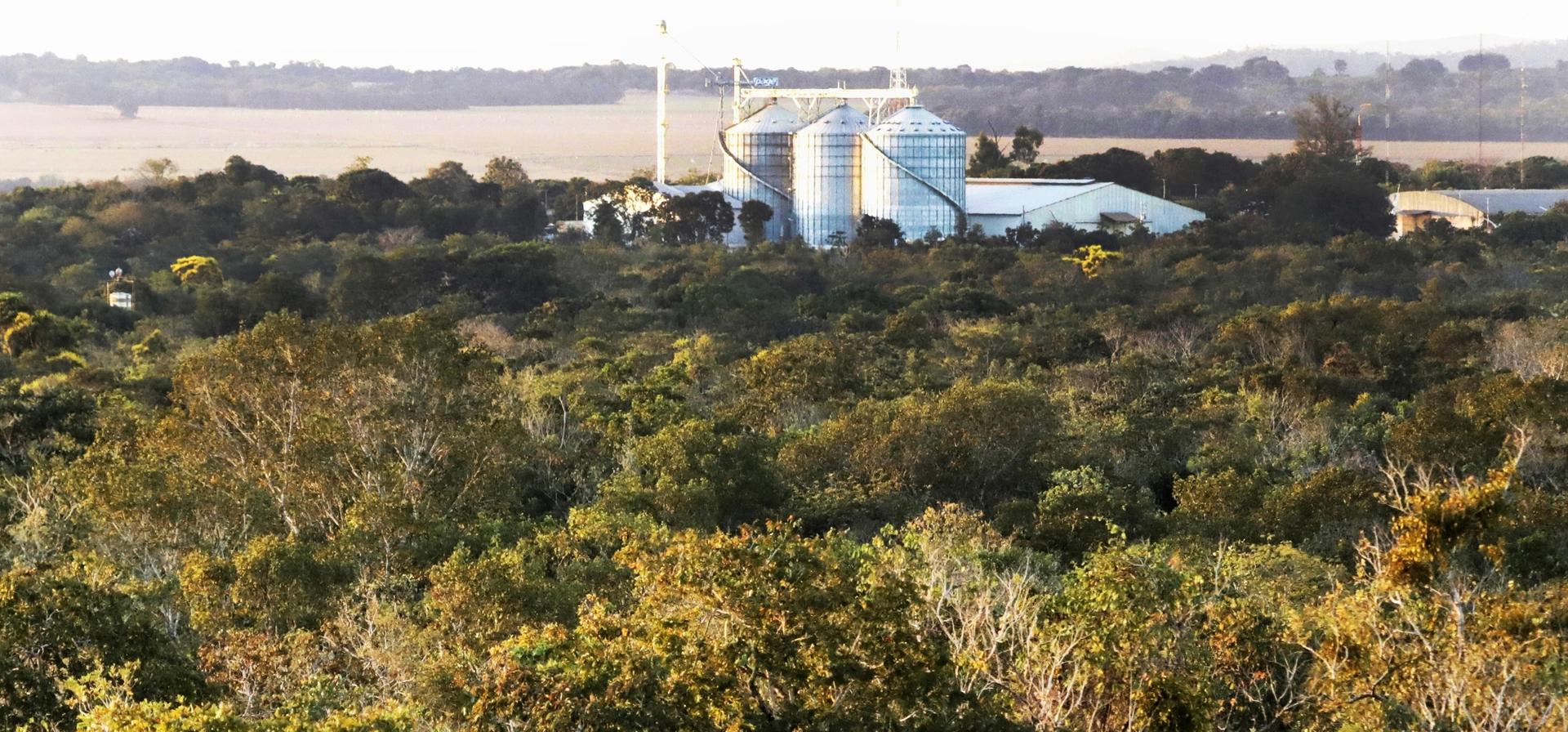
Since 2026, WWF and Rabobank are working together in a five-year international partnership. The collaboration is based on a shared belief: that more sustainable land use is a critical condition for protecting and restoring nature, and that financial decision-making can help make this transition possible in practice.
What we do
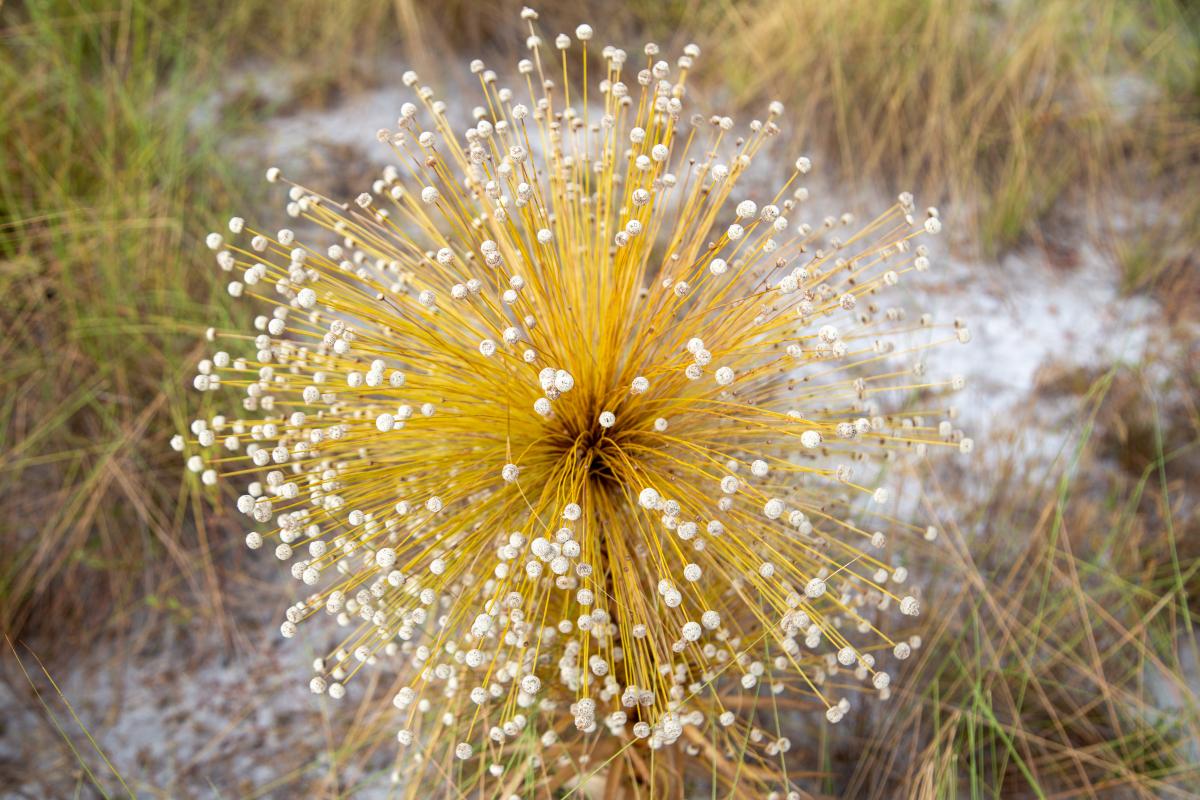 © Emerson Silva / WWF-Brazil
The partnership initially focuses on critical regions such as the Cerrado in Brazil, where pressure on nature is high and opportunities exist to test new approaches in practice.
WWF and Rabobank are exploring how financial instruments and incentives can support more sustainable land use. Rabobank contributes expertise in financing agricultural and food value chains, while WWF brings knowledge and experience in nature conservation and sustainable land use.
Together, we are examining the conditions under which financial mechanisms can support production without deforestation and the conversion of natural habitats, and how they can contribute to nature conservation and restoration. In doing so, we are exploring how more sustainable forms of land use can become economically viable.
By testing solutions in practice, we can better understand what works, what barriers exist and under what conditions more sustainable land-use approaches can be scaled up. These regions therefore serve as learning environments where practical experience is generated and shared.
From practice to broader change
 © Jacqueline Lisboa / WWF-Brazil
The partnership follows a clear approach: test, learn and share. By exploring financial mechanisms in real-world settings, we aim to better understand which approaches can support more sustainable land use, what conditions are required and where barriers remain. We then share these insights through engagement with financial institutions, businesses, governments and other stakeholders.
Insights generated through the partnership can contribute to broader discussions on the role of nature in financial decision-making, the development of sector standards and the integration of nature-related risks and opportunities into policy and finance.
From their respective roles, WWF and Rabobank also contribute to discussions on policy, standards and other enabling conditions that can support more sustainable land use. In this way, lessons from practical experience can help inform wider developments across the food and finance sectors.
Large-scale change requires the involvement of many different actors. This partnership aims to contribute to that broader transition. Ultimately, the ambition is to help advance food and financial systems that better recognise the value of nature and respect its ecological limits.

Jelle de Jong
“Nature is under pressure around the world, yet healthy ecosystems are essential for the food we eat, the water we depend on and a stable climate. To protect and restore nature at the scale needed, we must also address the systems that influence how food is produced and how land is used. This partnership between WWF and Rabobank offers an important opportunity to deepen our understanding of how financial decisions can help drive more sustainable land use. By learning from practice and sharing those insights, we are helping build a future in which people and nature thrive together."
– Jelle de Jong, CEO WWF-NL