Expanding Climate‑Adaptive Aquaculture in Indonesia
DFCD to support JALA in strengthening climate‑resilient , data‑driven aquaculture systems.
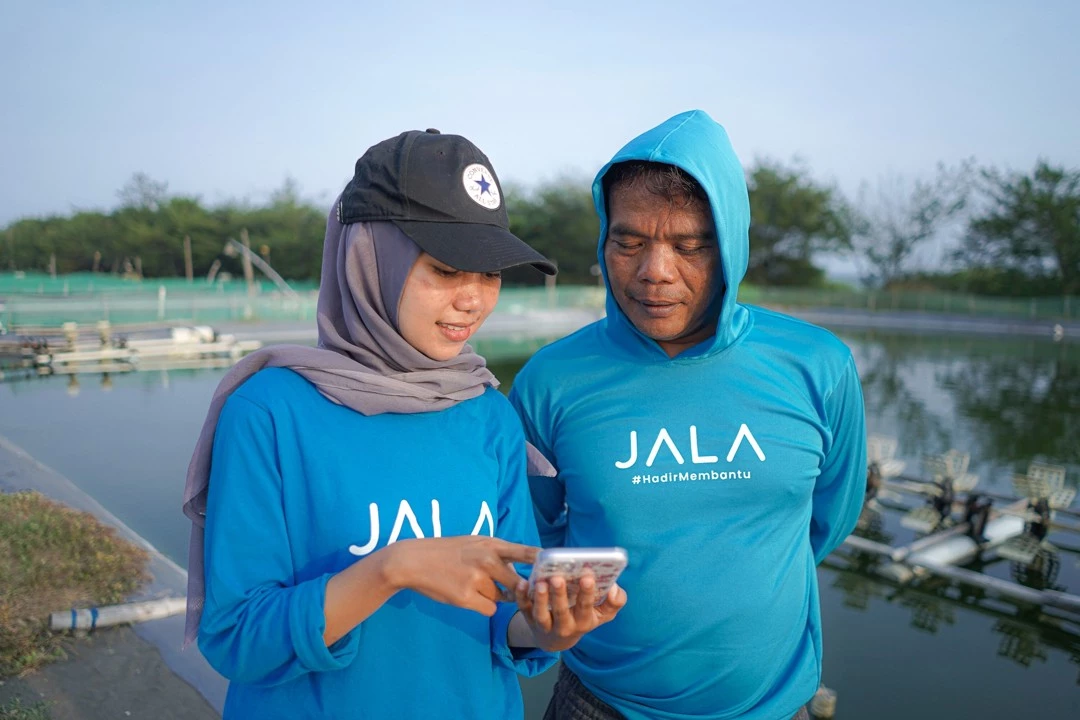
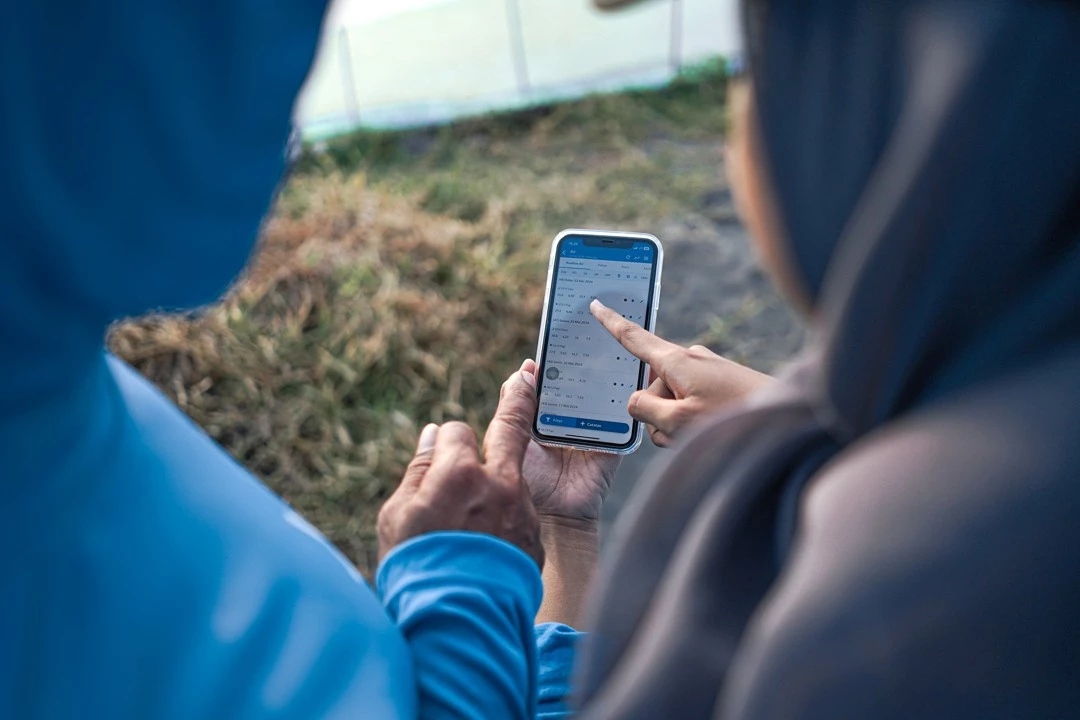
The Dutch Fund for Climate and Development (DFCD), through its Origination Facility, intends to support PT Jala Akuakultur Lestari Alamku (JALA), a fast‑growing Indonesian aquaculture enterprise that integrates technology, data, and farm‑level operations to improve productivity and resilience across the country’s shrimp value chain. JALA works with more than 10,000 registered farms and has built one of Indonesia’s largest aquaculture data platforms, supporting farmers with real‑time insights, input supply, and traceable market access.
The project with JALA has been put forward by the World Wide Fund for Nature Netherlands (WWF-NL), which, together with SNV, a global development partner, manages the DFCD’s Origination Facility to develop new projects for the climate investment fund. WWF-NL intends to sign a €340,000 grant funding agreement with JALA, and, together with WWF Indonesia, they will carry out activities to integrate long-term climate resilience measures into the business model.
The Challenge
Shrimp farming in Indonesia faces significant pressures linked to climate change, including water‑quality fluctuations, temperature stress, salinity shocks, and increased disease risk. These challenges disproportionately affect small and medium‑scale farmers with limited access to data, modern infrastructure, or reliable markets.
At the same time, decades of poorly managed pond expansion have contributed to mangrove degradation, while global buyers increasingly expect traceability, responsible farming practices, and supply‑chain safeguards. Strengthening climate resilience, environmental safeguards, and traceability systems is essential for long‑term sector sustainability.
The Opportunity
JALA’s integrated model - combining digital farm management, water‑quality IoT sensors, input supply, managed farms, trading, and processing - positions the company as a leader in climate‑adaptive and data‑driven aquaculture.
The company has demonstrated strong traction, with more than 18,500 app users and an extensive data moat built from 27,000+ pond cycles. Its Climate‑Adaptive Farm pilots show the potential for higher yields, improved environmental performance, and more stable livelihoods.
DFCD support will help JALA enhance ESG systems, strengthen environmental and social safeguards, and prepare for expansion into additional climate‑sensitive coastal landscapes.

Origination Facility Support
DFCD will provide €340,000 in grant funding to be put towards the following activities, which will be carried out with the support of WWF Indonesia.
- Baseline assessments and ESG/IFC gap analyses.
- Development and validation of a Climate‑Adaptive Farm model.
- Strengthening JALA’s traceability systems.
- Independent validation of deforestation‑related land‑use histories and integration of safeguards for responsible site selection.
- Market analysis for premium, certified shrimp products, including ASC alignment.
Forecasted Impact
The project is expected to:
- Improve climate resilience for small and medium‑scale shrimp farmers through data‑driven management.
- Strengthen environmental stewardship through improved water management and mangrove/vegetation rehabilitation.
- Enhance productivity and reduce losses linked to climate‑related disease outbreaks.
- Lay the groundwork for deforestation‑aware, traceable shrimp supply chains.
- Improve JALA’s investment readiness as it prepares for future debt and equity rounds.
Statement from Company Representative
“We optimize existing farmland while strengthening supply chain integrity. Together with WWF and DFCD, JALA implements Climate Adaptive Shrimp Farming to build a deforestation-free, traceable, climate-resilient supply chain benefiting the environment, communities, and long-term competitiveness.” Liris Manduningtyas, JALA CEO.
Statement from DFCD Representative
“Working with Liris, the CEO of JALA Tech, gives the DFCD and WWF Indonesia the opportunity to be part of a project that can drive the Indonesian aquaculture sector towards certification. Shrimp aquaculture is highly sensitive to climate variability; JALA Tech is developing Climate Adaptive Shrimp Farms where we work on the rehabilitation of deforested mangroves. With JALA we will work on improving the traceability of the supply chain, and pathways to improve farmer income. Working with JALA large shrimp database, we will look to further optimise feeding, aeration, and water exchanges. The project will also reduce nutrient loading, water stress, and pollution in ponds.” Stuart Beavis, DFCD Regional Lead for Asia.
Looking Ahead
With DFCD support and WWF Indonesia’s technical expertise, JALA will strengthen climate‑adaptive aquaculture systems that improve farmer resilience, safeguard coastal ecosystems, and accelerate responsible growth across Indonesia’s shrimp value chain. This partnership will help scale pioneering models that integrate technology, sustainability, and inclusive economic development.
Contact
For more information, contact Stuart Beavis, DFCD Regional Lead for Asia at sbeavis@wwf.org.hk In case you have any grievances in relation to this project of the DFCD’s Origination Facility, please contact us through our service desk at servicedesk@wwf.nl.
About DFCD
The Dutch Fund for Climate and Development (DFCD) is a climate fund, dedicated to supporting climate adaptation and mitigation projects which benefit vulnerable communities and landscapes. Initially funded by the Dutch government, it is powered by a consortium of four expert organisations: FMO (Dutch Entrepreneurial Development Bank), CFM (Climate Fund Managers), SNV, a global development partner, and WWF Netherlands.